
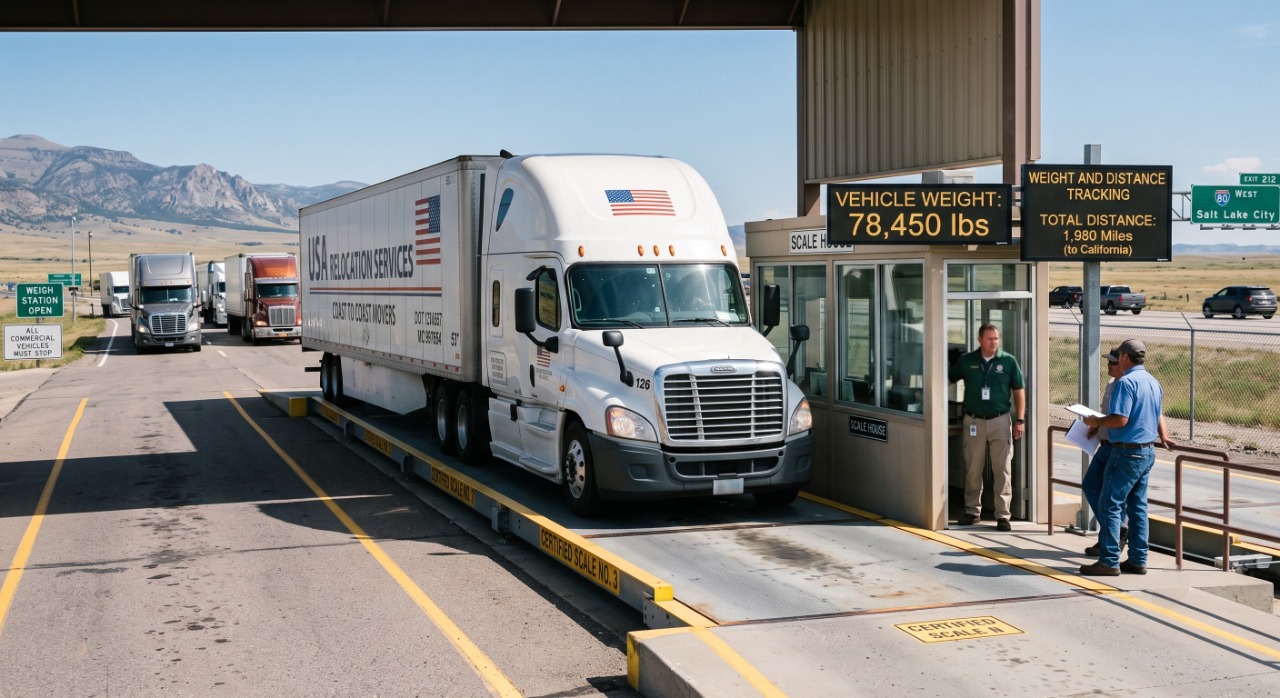
Planning a move involves much more than packing boxes and hiring a truck. One of the biggest concerns for homeowners and renters is understanding how much the move will cost. Two of the most important factors that determine your final moving bill are the weight of your belongings and the distance between your current home and your destination.
Many people assume that moving costs are based only on mileage, but professional movers consider multiple variables before providing an estimate. The heavier your shipment and the farther it needs to travel, the more resources are required, resulting in higher transportation costs.
Fortunately, using a free moving cost calculator can give you a realistic estimate before requesting quotes. It helps you prepare your budget, compare different companies, and avoid unexpected expenses.
Why Weight and Distance Matter in Moving Costs
Professional movers calculate prices based on the amount of work involved. The two largest cost drivers are:
- Total shipment weight
- Total moving distance
These factors directly affect:
- Fuel consumption
- Truck size
- Labor requirements
- Transportation time
- Vehicle wear and tear
- Insurance costs
- Logistics planning
The combination of these variables determines your overall moving estimate.
For example:
- Moving a small apartment 50 miles may cost significantly less than moving a four-bedroom house 1,200 miles.
- Likewise, transporting 8,000 pounds across several states requires much more planning than moving 2,000 pounds locally.
Understanding these pricing factors helps you make smarter financial decisions before moving.
How Movers Calculate Shipment Weight
One of the most misunderstood parts of moving estimates is shipment weight.
For interstate moves, professional movers generally determine costs based on the total weight of everything loaded onto the moving truck.
Items that increase shipment weight include:
- Furniture
- Appliances
- Boxes
- Electronics
- Outdoor equipment
- Exercise machines
- Home décor
- Books
- Garage storage
- Tools
Heavy items naturally increase transportation costs because they require more fuel, more labor, and sometimes larger trucks.
Typical Household Weight Estimates
| Home Size | Approximate Weight |
|---|---|
| Studio Apartment | 1,500–2,000 lbs |
| 1 Bedroom | 2,500–3,500 lbs |
| 2 Bedroom | 4,000–6,000 lbs |
| 3 Bedroom | 7,000–9,000 lbs |
| 4 Bedroom | 10,000–12,000 lbs |
Knowing your estimated shipment weight makes it easier to use a free moving cost calculator before requesting quotes from multiple movers.
How Distance Impacts Your Moving Price
Distance is the second major pricing factor.
The farther your belongings travel, the more expensive the move becomes.
Distance affects:
- Fuel costs
- Driver wages
- Truck mileage
- Toll expenses
- Lodging (for long-distance moves)
- Delivery scheduling
- Vehicle maintenance
Local Moves
Most local moves are priced hourly.
Costs depend on:
- Number of movers
- Hours worked
- Truck size
Weight usually plays a smaller role during local relocations.
Long-Distance Moves
For interstate or cross-country moves, pricing typically depends on:
- Shipment weight
- Total mileage
- Additional moving services
This is why long-distance estimates vary significantly between households with different amounts of belongings.
Weight vs. Distance: Which Has a Bigger Impact?
Many people ask whether weight or distance has a greater influence on moving costs. The answer depends on the type of move.
Local Moves
For local relocations, movers generally charge by the hour rather than by weight. Factors such as:
- Time required to load and unload
- Number of movers
- Traffic conditions
- Accessibility
often have a greater impact on the final bill than the weight of your belongings.
Long-Distance Moves
For interstate and cross-country moves, both weight and distance are equally important.
For example:
- A lightweight shipment traveling 2,000 miles may still cost more because of transportation expenses.
- A very heavy shipment traveling only 500 miles can also be expensive due to increased labor and fuel usage.
The highest moving costs usually occur when a shipment is both heavy and traveling a long distance.
Other Factors That Influence Moving Costs
Although weight and distance are the biggest pricing factors, they are not the only ones.
Packing Services
Professional packing saves time and protects fragile belongings, but it adds to your moving expenses because of labor and packing materials.
Specialty Items
Large or delicate items often require extra handling, including:
- Pianos
- Pool tables
- Gun safes
- Hot tubs
- Large aquariums
- Antique furniture
- Fine art
These items usually involve additional fees.
Stairs and Long Carry Fees
If movers must carry belongings over long distances from the truck or navigate multiple flights of stairs, extra labor charges may apply.
Storage Services
Temporary storage before or after your move can increase your overall relocation budget.
Moving Insurance
Basic valuation coverage is often included, but many customers purchase additional protection for valuable belongings.
Seasonal Demand
Moving during peak seasons—especially summer, weekends, holidays, or the beginning and end of each month—typically results in higher prices because demand is greater.
How to Estimate Your Moving Expenses with a Free Moving Cost Calculator
One of the easiest ways to prepare your moving budget is by using a free moving cost calculator.
A moving cost calculator estimates your expenses based on information such as:
- Current location
- Destination
- Home size
- Estimated shipment weight
- Number of rooms
- Moving date
- Additional services
While no calculator can provide an exact final price, it offers a realistic estimate that helps you plan ahead and compare quotes.
Using a calculator before contacting movers also helps you identify a reasonable price range, making it easier to spot unusually high or suspiciously low estimates.
How My Good Movers Helps You Compare Moving Companies
Finding the right moving company is just as important as understanding moving costs.
My Good Movers is a moving directory designed to simplify the search process by connecting customers with trusted moving companies across the United States.
Instead of offering moving services directly, the platform allows users to:
- Compare licensed moving companies in one place
- Read verified customer reviews and ratings
- Explore movers by location and service type
- Request multiple quotes from different companies
- Compare pricing, services, and customer feedback
- Make informed hiring decisions with confidence
Pairing a free moving cost calculator with the resources available on My Good Movers helps you estimate your budget and identify movers that fit both your relocation needs and your price range.
Tips to Reduce Weight and Lower Moving Costs
Reducing the weight of your shipment is one of the most effective ways to save money, especially on long-distance moves.
Consider these practical tips:
- Declutter before packing.
- Donate or sell furniture you no longer need.
- Recycle old paperwork and magazines.
- Dispose of broken appliances.
- Avoid moving inexpensive items that are easy to replace.
- Use smaller boxes for heavy items like books.
- Minimize duplicate household goods.
Even reducing a few hundred pounds from your shipment can make a noticeable difference in transportation costs.
Tips to Save Money on Long-Distance Moves
Long-distance relocations can be expensive, but careful planning can help you reduce costs without sacrificing quality. Here are some effective ways to save money:
1. Compare Multiple Moving Quotes
Don’t settle for the first estimate you receive. Request quotes from several licensed moving companies and compare:
- Pricing
- Services included
- Customer reviews
- Insurance options
- Delivery timelines
Using My Good Movers, a trusted moving directory, makes this process easier by allowing you to compare reputable movers in one place before making your decision.
2. Use a Free Moving Cost Calculator
Before requesting quotes, use a free moving cost calculator to estimate your expected expenses. This gives you a realistic budget and helps you recognize whether a moving quote is competitive or unusually high.
3. Move During the Off-Season
Moving companies are often busiest during:
- Summer months
- Weekends
- Holidays
- Month-end periods
Scheduling your move during weekdays or off-peak seasons may help you secure lower rates.
4. Pack Yourself
If you have the time, packing your belongings yourself can reduce labor costs. Be sure to use sturdy boxes and quality packing materials to keep your items protected during transit.
5. Declutter Before Moving
Every item you remove from your shipment can lower the total weight, which may reduce long-distance moving costs. Sell, donate, or recycle belongings you no longer use to lighten the load.
Common Mistakes That Increase Moving Expenses
Avoiding common moving mistakes can help you stay within budget and prevent unnecessary stress.
Waiting Until the Last Minute
Booking movers close to your moving date can limit your options and lead to higher prices due to reduced availability.
Underestimating Shipment Weight
Many people underestimate how much they own. An inaccurate estimate can result in revised quotes or additional charges on moving day.
Ignoring Extra Fees
Some moving services may involve additional costs, including:
- Stair carries
- Long carry distances
- Packing supplies
- Storage
- Specialty item handling
- Shuttle services
Ask for a detailed estimate so you understand what is included.
Choosing Movers Based Only on Price
The cheapest quote isn’t always the best value. Consider the company’s reputation, licensing, insurance, and customer reviews in addition to the price.
Not Comparing Companies
Comparing several moving companies gives you a better understanding of market rates and available services. My Good Movers helps streamline this process by listing trusted movers, making it easier to evaluate your options and request multiple quotes.
Frequently Asked Questions
Does shipment weight affect local moving costs?
For most local moves, movers charge by the hour rather than by weight. However, very heavy items or oversized furniture may still increase labor time and overall costs.
How is shipment weight determined?
Professional movers typically weigh the moving truck before and after loading. The difference between the two weights represents the total shipment weight.
Why do long-distance moves cost more?
Long-distance moves involve greater fuel usage, driver time, vehicle wear, mileage, and logistical planning, making them more expensive than local moves.
Can a free moving cost calculator provide an exact estimate?
A free moving cost calculator offers a reliable estimate based on the information you provide, but your final price may vary depending on the actual shipment weight, distance, and any additional services requested.
How can I find reliable moving companies?
A trusted moving directory like My Good Movers allows you to compare licensed movers, read customer reviews, request multiple quotes, and choose a company that fits your budget and relocation needs.
Conclusion
Understanding how weight and distance affect moving costs is essential for planning a successful and affordable relocation. While shipment weight determines how much your belongings cost to transport, distance influences fuel, labor, and travel expenses. Together, these two factors make up the foundation of most long-distance moving estimates.
Other elements—such as packing services, specialty items, storage, insurance, and seasonal demand—can also impact your final bill. Taking time to declutter, compare multiple quotes, and use a free moving cost calculator can help you budget more accurately and avoid unnecessary expenses.
